Milaim Hasanaj

June 1, 2024

Accessibility & UX Research at Resurs Bank

Internship project (LIA2) | March – May 2025

Overview

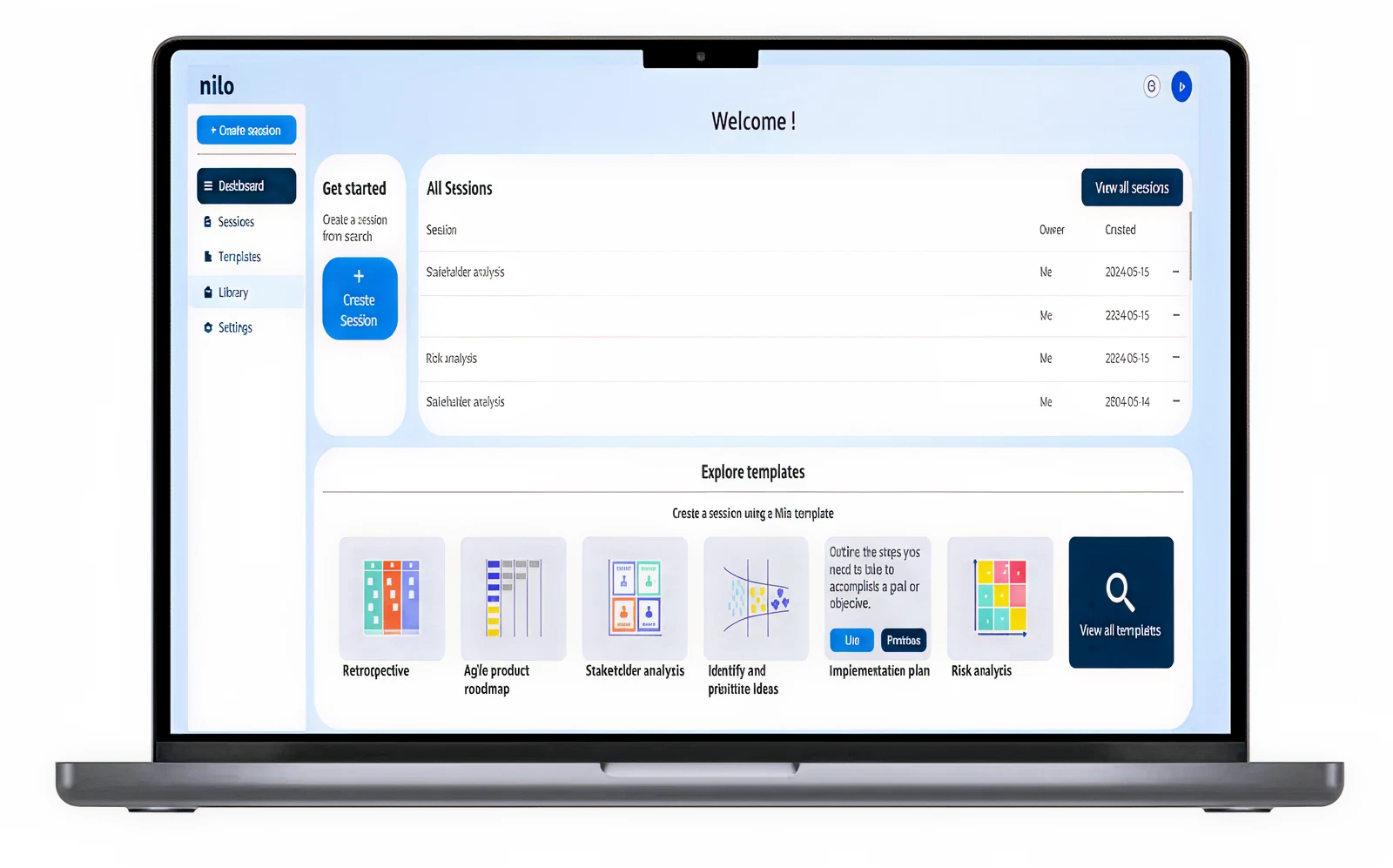
During my first internship (LIA1), I worked with Nilo Collaborations, a Swedish startup providing a digital tool for project leaders to collect and organize ideas through structured sessions. My role was to redesign the desktop dashboard and develop a mobile version to make the product more modern, intuitive, and user-friendly.

📅 March – May 2025 👤 Role: UX Designer (Intern) 🏢 Team: UX/CX Team at Resurs Bank

Another subheader to break up text

Redesign the Home/Dashboard for better usability

Optimize language and labels

Create a mobile version and improve the brainstorming function

Ensure a balance between professional and modern design

Impact & Results

  • Delivered a full GAP analysis to both developers and external vendors.
  • Helped raise organizational awareness of accessibility issues and influenced product improvements.
  • Supported Resurs Bank in preparing for WCAG 2.1 & EAA compliance.
  • Strengthened collaboration between UX, developers, and customer service.
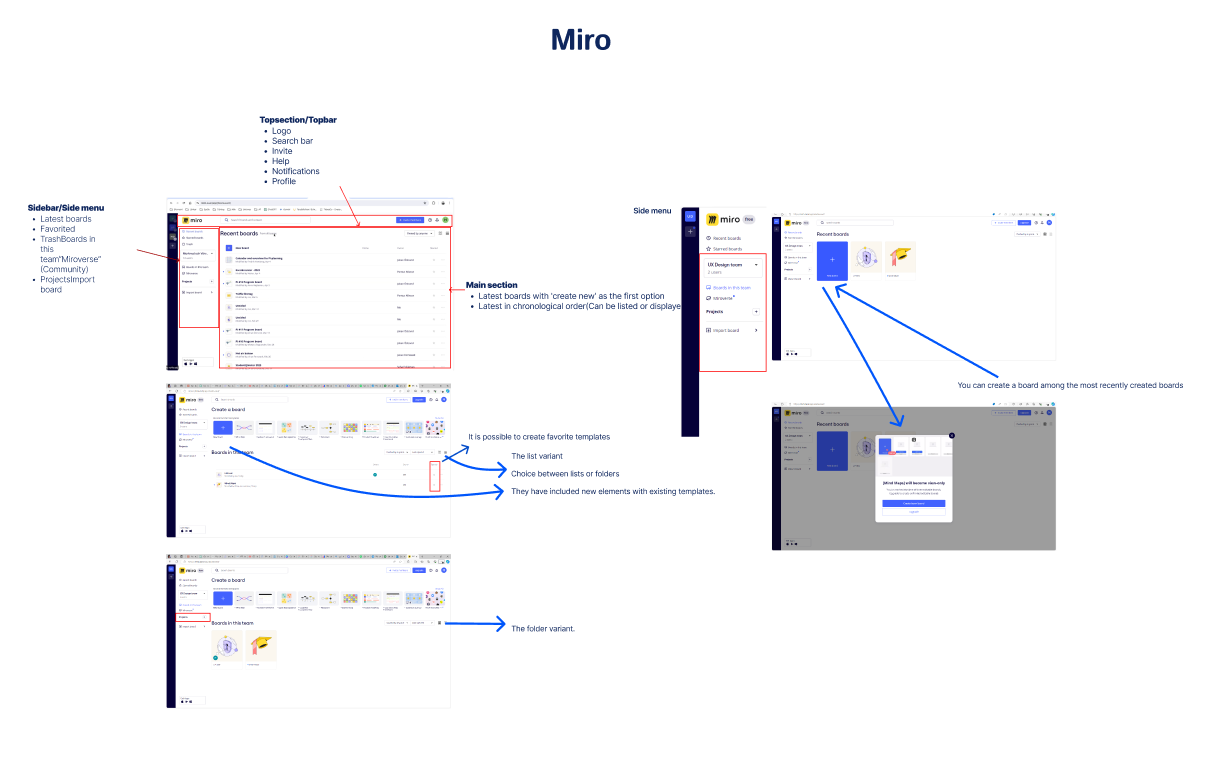
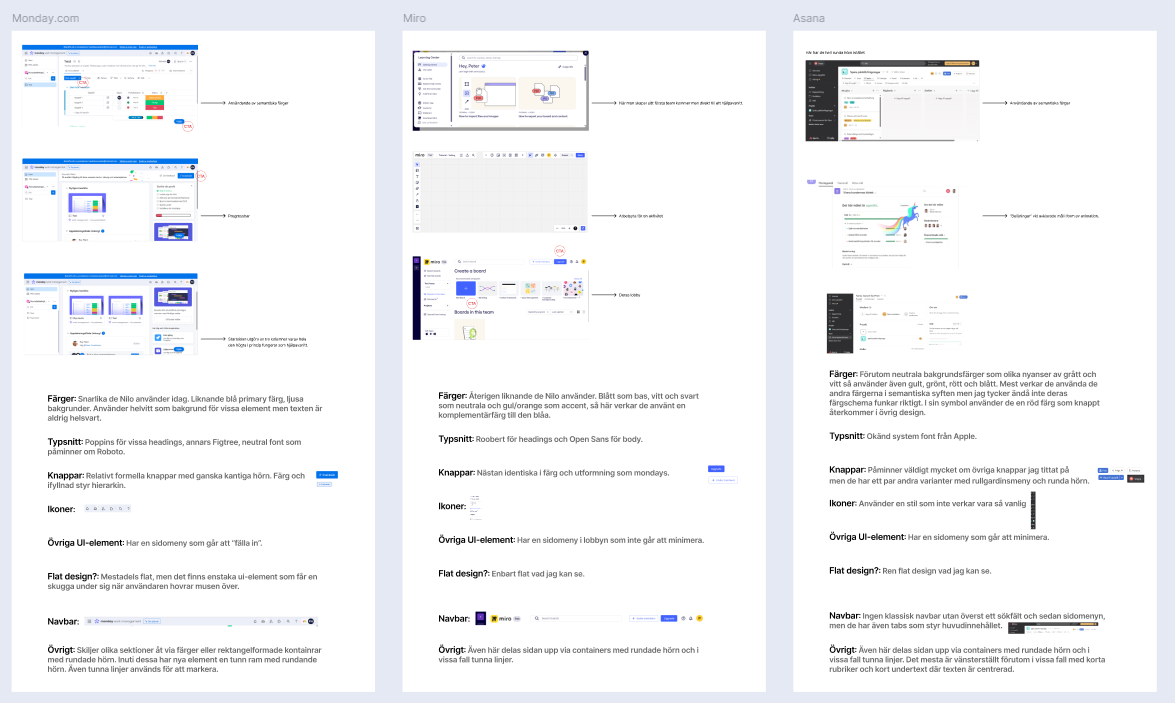
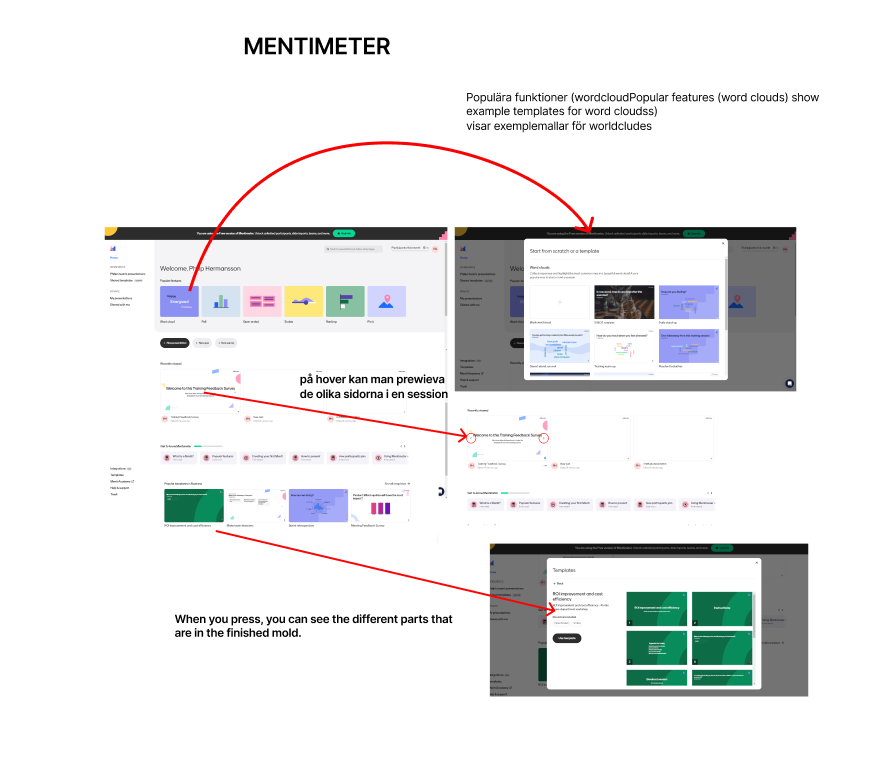
We benchmarked similar tools (Miro, Mentimeter, Kahoot, Trello) to analyze navigation, structure, and session handling
Reflections & Learnings

  • Co-led the desktop dashboard redesign together with one teammate.


  • Simplified the navigation menu (removed “Library”, replaced “Dashboard” with “Home”).


  • Prioritized Create Session and Recently Viewed on the Home screen.


  • Adjusted terminology and labels to improve clarity.


  • Organized and executed user tests, collecting valuable insights on layout, language, and usability.


  • Delivered hi-fi prototypes and presented results to stakeholders.

Results

  • A redesigned dashboard with a clearer hierarchy and modernized visuals.
  • Identified usability issues:
    • Users preferred “Recently Viewed” at the top.
    • Session naming and search needed improvements.
    • Folder/map structure was confusing and required more clarity.
  • Iterations based on testing resulted in a cleaner layout and improved user flow.

Results

  • Learned to work in a startup environment with limited resources.
  • Understood the importance of clarifying terminology for usability.
  • Gained deeper experience in user testing (Think Aloud) and how to translate findings into design improvements.
  • Learned to argue for design decisions based on UX principles and user needs.
  • Collaboration with four other interns taught me the value of clear communication and team ownership.

View prototype

Milaim Hasanaj

June 1, 2024

Accessibility & UX Research at Resurs Bank

Internship project (LIA2) | March – May 2025

Overview

During my first internship (LIA1), I worked with Nilo Collaborations, a Swedish startup providing a digital tool for project leaders to collect and organize ideas through structured sessions. My role was to redesign the desktop dashboard and develop a mobile version to make the product more modern, intuitive, and user-friendly.


📅 April – May 2024 👤 Role: UX Designer (Intern) 🏢 Team: 5 UX interns (3 from EC Education – LIA1, 2 from other programs – LIA2)

Another subheader to break up text

Redesign the Home/Dashboard for better usability

Optimize language and labels

Create a mobile version and improve the brainstorming function

Ensure a balance between professional and modern design

Impact & Results

  • Delivered a full GAP analysis to both developers and external vendors.
  • Helped raise organizational awareness of accessibility issues and influenced product improvements.
  • Supported Resurs Bank in preparing for WCAG 2.1 & EAA compliance.
  • Strengthened collaboration between UX, developers, and customer service.

We benchmarked similar tools (Miro, Mentimeter, Kahoot, Trello) to analyze navigation, structure, and session handling
Reflections & Learnings

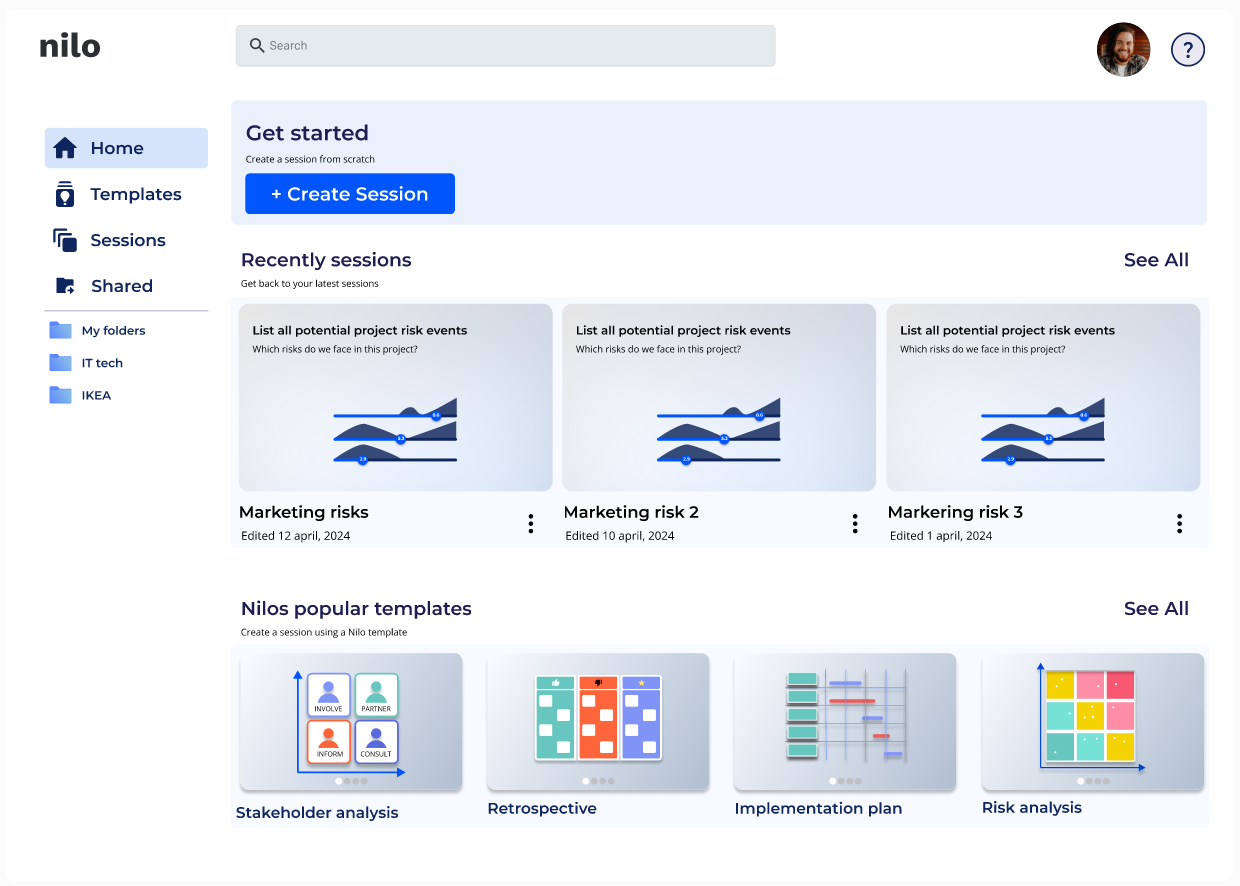
  • Co-led the desktop dashboard redesign together with one teammate.


  • Simplified the navigation menu (removed “Library”, replaced “Dashboard” with “Home”).


  • Prioritized Create Session and Recently Viewed on the Home screen.


  • Adjusted terminology and labels to improve clarity.


  • Organized and executed user tests, collecting valuable insights on layout, language, and usability.


  • Delivered hi-fi prototypes and presented results to stakeholders.

Results

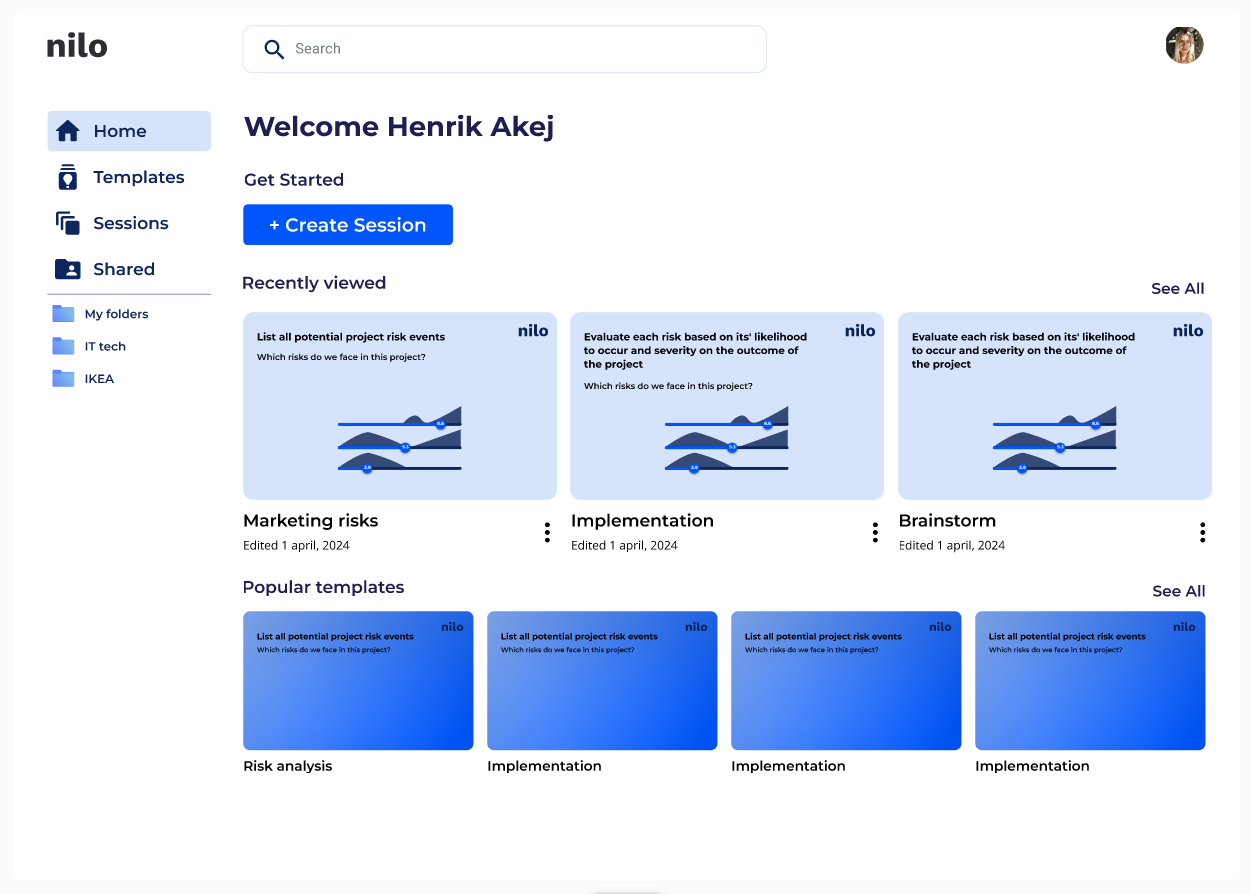
  • A redesigned dashboard with a clearer hierarchy and modernized visuals.
  • Identified usability issues:
    • Users preferred “Recently Viewed” at the top.
    • Session naming and search needed improvements.
    • Folder/map structure was confusing and required more clarity.
  • Iterations based on testing resulted in a cleaner layout and improved user flow.
Results

  • Learned to work in a startup environment with limited resources.
  • Understood the importance of clarifying terminology for usability.
  • Gained deeper experience in user testing (Think Aloud) and how to translate findings into design improvements.
  • Learned to argue for design decisions based on UX principles and user needs.
  • Collaboration with four other interns taught me the value of clear communication and team ownership.


View prototype

Milaim Hasanaj

June 1, 2024

Nilo Collaborations (Internship / LIA1)

Internship project (LIA2) | March – May 2025

Overview

During my first internship (LIA1), I worked with Nilo Collaborations, a Swedish startup providing a digital tool for project leaders to collect and organize ideas through structured sessions. My role was to redesign the desktop dashboard and develop a mobile version to make the product more modern, intuitive, and user-friendly.


📅 April – May 2024 👤 Role: UX Designer (Intern) 🏢 Team: 5 UX interns (3 from EC Education – LIA1, 2 from other programs – LIA2)

Challenge

Nilo’s original dashboard was based on an early flat 1.0 design with limited hierarchy and a cluttered interface. Users struggled with unclear terminology (“sessions”), confusing navigation, and too much content on the Home page.


Goal:

  • Redesign the desktop dashboard (Home page) to improve usability and clarity.
  • Optimize navigation, hierarchy, and language (labels and headings).
  • Ensure a balance between modern, professional, and user-friendly design.

Process & Methods

We applied a user-centered process inspired by Design Thinking:


    • Research & Benchmarking – Compared with tools like Miro, Mentimeter, Jira, Trello, Monday, and Slack.
    • Information Architecture – Reorganized navigation and simplified menu items.
    • Sketching & Wireframes – Created multiple low-fi sketches exploring different hierarchies.
    • Prototyping – Designed and tested hi-fi prototypes of the new dashboard in Figma.
    • User Testing – Conducted two rounds of Think Aloud testing with real users, analyzing clarity and navigation issues.
    • Iteration – Refined design based on continuous feedback.

We benchmarked similar tools (Miro, Mentimeter, Kahoot, Trello) to analyze navigation, structure, and session handling

My Contributions

  • Co-led the desktop dashboard redesign together with one teammate.
  • Simplified the navigation menu (removed “Library”, replaced “Dashboard” with “Home”).
  • Prioritized Create Session and Recently Viewed on the Home screen.

Adjusted terminology and labels to improve clarity.

  • Organized and executed user tests, collecting valuable insights on layout, language, and usability.
  • Delivered hi-fi prototypes and presented results to stakeholders.

Results

  • A redesigned dashboard with a clearer hierarchy and modernized visuals.
  • Identified usability issues:
    • Users preferred “Recently Viewed” at the top.
    • Session naming and search needed improvements.
    • Folder/map structure was confusing and required more clarity.
  • Iterations based on testing resulted in a cleaner layout and improved user flow.

Reflections & Learnings

  • Learned to work in a startup environment with limited resources.
  • Understood the importance of clarifying terminology for usability.
  • Gained deeper experience in user testing (Think Aloud) and how to translate findings into design improvements.
  • Learned to argue for design decisions based on UX principles and user needs.
  • Collaboration with four other interns taught me the value of clear communication and team ownership.


View prototype